Spanish for Hairdressers: Mastering the Language of Beauty
DATE:
Did you know that over 500 million people worldwide speak Spanish? As a hairdresser, being able to communicate with Spanish-speaking clients can significantly enhance your service and open new opportunities. Imagine discussing styles, colors, and treatments with ease, ensuring your clients leave happy and satisfied. Let’s dive into the fascinating world of Spanish for hairdressers, covering everything from essential vocabulary to cultural considerations.
Essential Hairdressing Vocabulary in Spanish
Understanding basic cosmetology vocabulary in Spanish is crucial for any hairstylist. Here’s a handy table to get you started with some common terms:
Hair Types
| Spanish | English |
| Rizado | Curly |
| Straight | Liso |
| Wavy | Ondulado |
| Coarse | Grueso |
| Fine | Fino |
Tools and Equipment
| Spanish | English |
| Tijeras | Scissors |
| Peine | Comb |
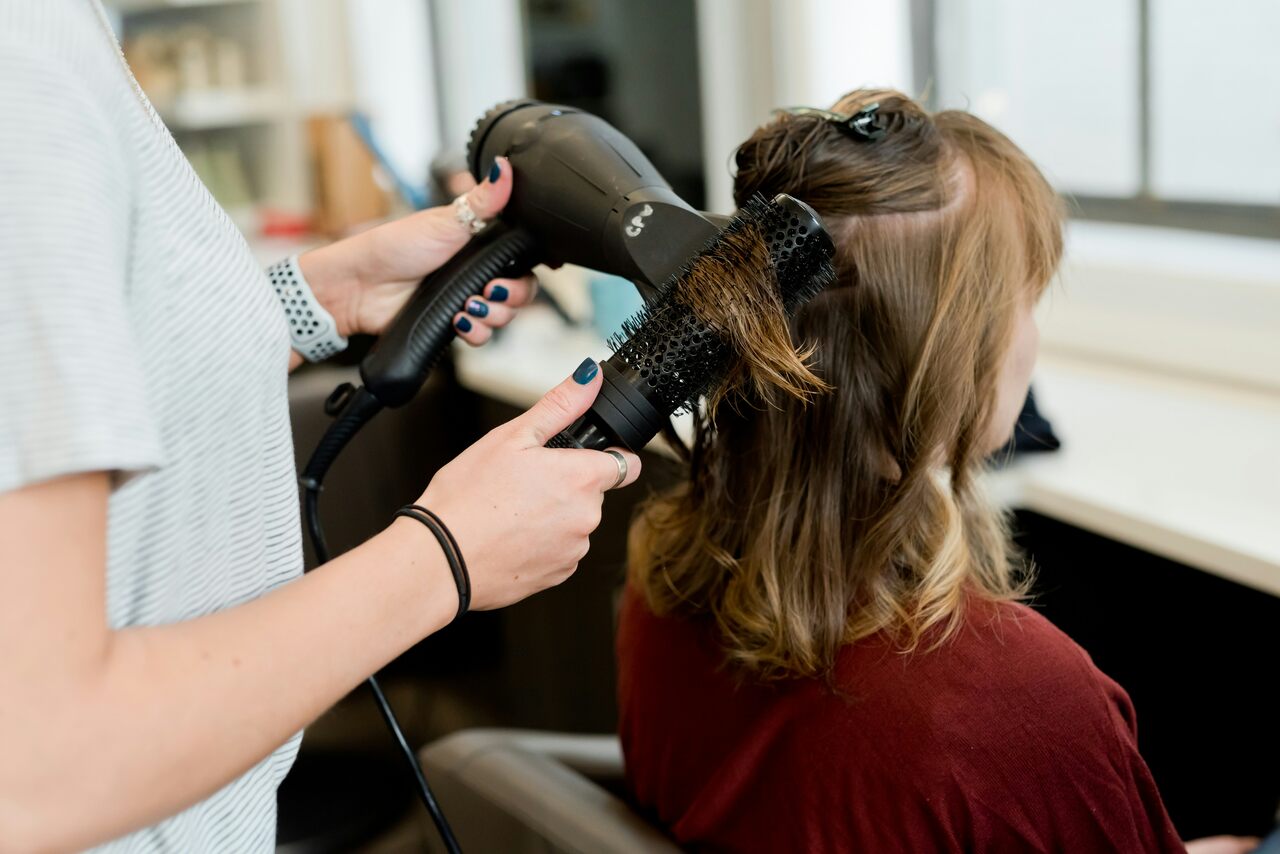
| Secador de pelo | Hairdryer |
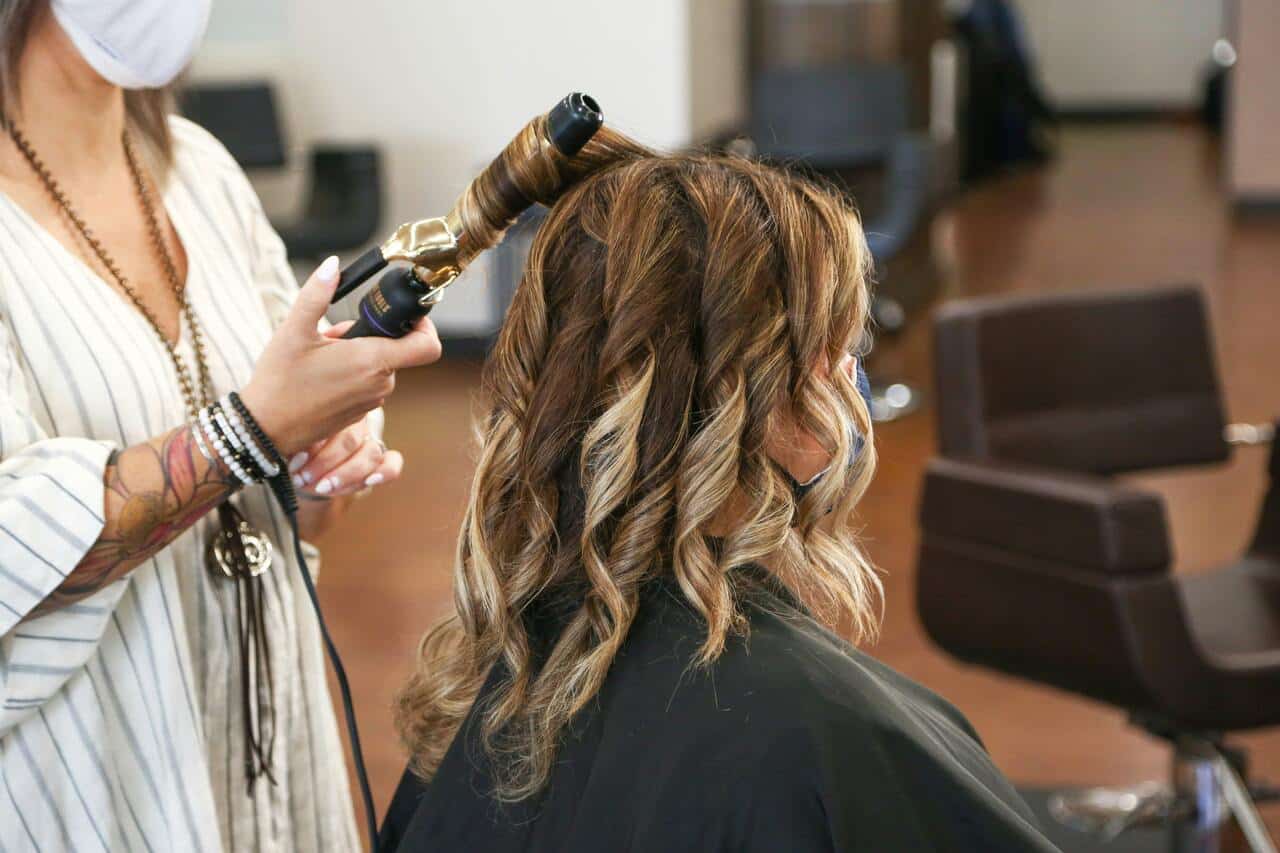
| Rizador | Curling iron |
| Cepillo de pelo | Hairbrush |
Describing Hairstyles and Cuts in Spanish
When it comes to discussing hairstyles, specific terminology is key. Let’s explore the different ways to describe lengths, styles, and textures.
Lengths
| Spanish | English |
| Corto | Short |
| Medio | Medium |
| Largo | Long |
Styles
| Spanish | English |
| Corte Bob | Bob cut |
| Capas | Layered |
| Corte Pixie | Pixie cut |
| Recogido | Updo |
| Corte Mariposa | Butterfly cut |
Textures
| Spanish | English |
| Sleek | Liso |
| Voluminous | Voluminoso |
| Textured | Texturizado |
By mastering these terms, you’ll be able to provide detailed descriptions and ensure that your Spanish-speaking clients receive exactly what they want.
Hair Coloring and Treatments in Spanish
Discussing hair coloring and treatments requires a good grasp of specific vocabulary and phrases.
Color Charts
| Spanish | English |
| Rubio | Blonde |
| Castaño | Brunette |
| Rojo | Red |
| Mechas | Highlights |
| Degradado | Ombre |
Techniques
| Spanish | English |
| Balayage | Balayage |
| Decoloración | Bleaching |
| Tratamiento de brillo | Gloss treatment |
Hair Coloring and Treatments in Spanish
Discussing hair coloring and treatments requires a good grasp of specific vocabulary and phrases.
Color Charts
| Spanish | English |
| Rubio | Blonde |
| Castaño | Brunette |
| Rojo | Red |
| Mechas | Highlights |
| Degradado | Ombre |
Techniques
| Spanish | English |
| Balayage | Balayage |
| Decoloración | Bleaching |
| Tratamiento de brillo | Gloss treatment |
DID YOU KNOW…?
“Balayage” is a French word adopted universally in cosmetology, and it’s pronounced similarly in both English and Spanish.
 DID YOU KNOW…?
Communicating with Spanish-Speaking Clients
Effective communication goes beyond vocabulary; it’s about understanding and responding to your clients’ needs.
Asking About Preferences
Understanding your client’s preferences is key to providing a satisfactory service. Here are some essential phrases and questions to ask about their desired styles and treatments:
- ¿Cómo te gustaría tu corte? – How would you like your cut?
- ¿Prefieres el cabello liso o rizado? – Do you prefer straight or curly hair?
- ¿Qué largo prefieres? – What length do you prefer?
- ¿Te gustaría probar algo nuevo o mantener tu estilo actual? – Would you like to try something new or keep your current style?
Explaining Procedures
Clear explanations ensure your clients know what to expect:
- Voy a aplicar un tratamiento de keratina. – I’m going to apply a keratin treatment.
- Este tinte necesita 30 minutos para actuar. – This dye needs 30 minutes to set.
- Vamos a lavar y acondicionar tu cabello primero. – We will wash and condition your hair first.
- Voy a cortar las puntas dañadas. – I’m going to trim the damaged ends.
- Este tratamiento ayudará a reparar y nutrir tu cabello. – This treatment will help repair and nourish your hair.
Cultural Considerations for Hairstyling in Spanish-Speaking Communities
Understanding cultural nuances can enhance your service and build trust with Spanish-speaking clients. Different communities may have unique hair care practices and beauty standards.
Hair Care Practices
Spanish-speaking communities often have diverse hair care traditions. Here are a few examples:
- Natural Treatments: Many clients might prefer natural remedies, such as using aloe vera (sábila) or coconut oil (aceite de coco) for hair care.
- Frequency of Haircuts: Some cultures believe in more frequent haircuts to promote growth, while others may space them out longer.
Beauty Standards
Beauty standards can vary widely, and being aware of these can help you tailor your services better:
- Volume and Texture: In many Latin American cultures, voluminous and textured hair is highly appreciated.
- Hair Length: Preferences for hair length can differ; for example, longer hair may be more popular in certain regions.
Elevate Your Hairdressing Skills with Spanish
Mastering Spanish for hairdressers not only broadens your communication skills but also enhances your client interactions and satisfaction. By learning essential vocabulary, understanding cultural nuances, and practicing specific phrases, you can ensure your clients feel understood and valued. Whether you’re discussing styles, colors, or treatments, speaking your client’s language makes a significant difference.
Ready to take your skills to the next level? Start with a free 1:1 class or enjoy a free 7-day trial of our group classes with SpanishVIP. Dedicated teachers and Student Success Advisors are here to support your journey in becoming a bilingual hairdressing expert.
Embrace the opportunity to connect with a broader clientele and enhance your professional skills by learning Spanish tailored for the beauty industry. ¡Buena suerte!