Spanish for Fitness: Master the Language of Exercise and Motivation
DATE:
Ever wondered how to seamlessly bridge the language gap in your fitness training sessions? Let’s dive into the world of Spanish for Fitness and discover how you can enhance your sessions with Spanish-speaking clients. Whether you’re a personal trainer, fitness instructor, or gym owner, mastering fitness vocabulary in Spanish can significantly improve your client interactions and effectiveness.
Essential Fitness Vocabulary in Spanish
Knowing the right words is the first step to success. Here’s a look at some fitness vocabulary in Spanish that every fitness professional should have in their toolkit.
Body Parts
Understanding body parts is crucial in giving instructions and feedback. Here’s a handy table of common body parts in English and Spanish:
| Spanish | English |
| Cabeza | Head |
| Hombros | Shoulders |
| Brazos | Arms |
| Piernas | Legs |
| Rodillas | Knees |
| Pies | Feet |
Exercise Types
Different exercises require different terminology. Let’s break down some common exercise types:
| Spanish | English |
| Flexiones | Push-ups |
| Sentadillas | Squats |
| Zancadas | Lunges |
| Plancha | Plank |
| Burpees | Burpees |
Giving Instructions and Demonstrations in Spanish
Clear communication is key in fitness training. Here’s how you can effectively give instructions in Spanish.
Clear and Concise Language
Using simple and direct language is vital. Here are some phrases to help you instruct your clients:
- Levanta los brazos – Raise your arms
- Baja las rodillas – Lower your knees
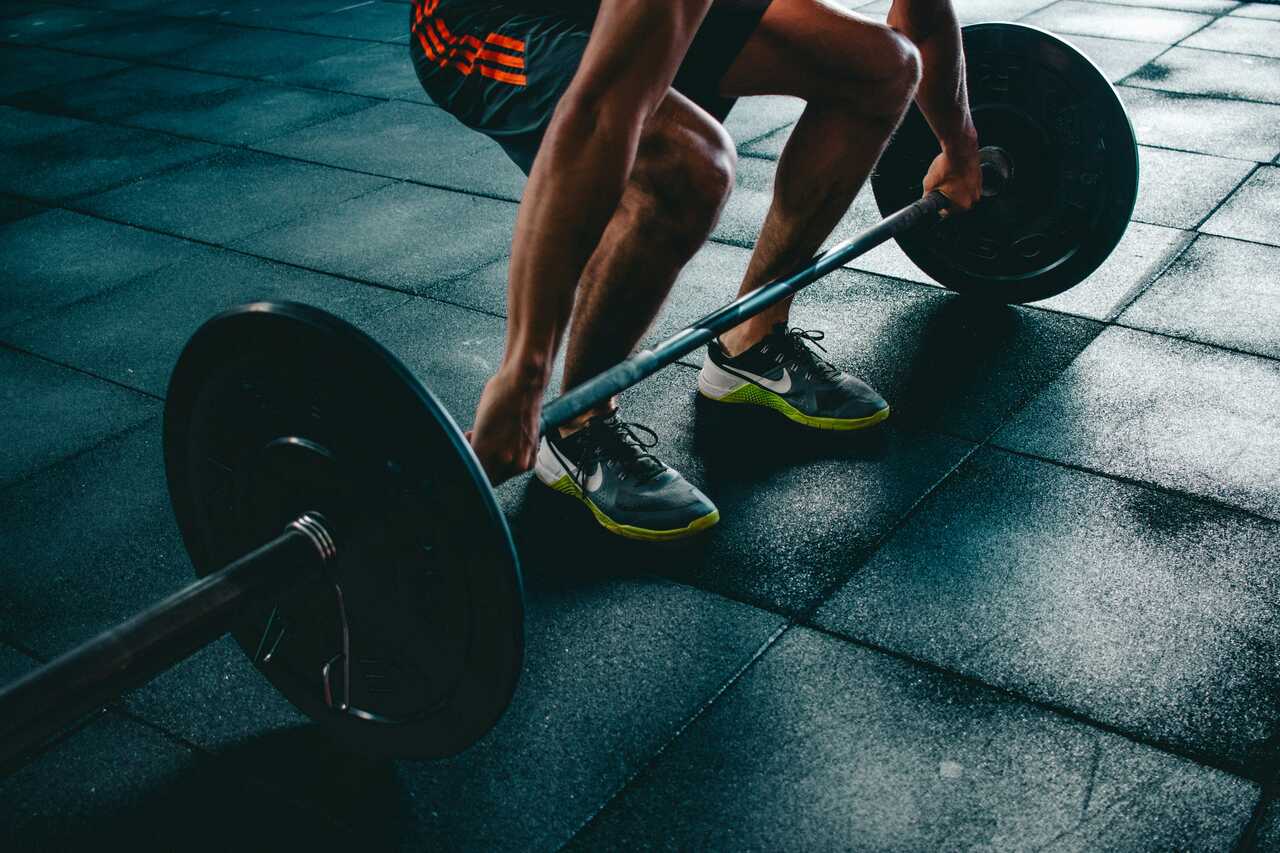
- Haz diez repeticiones – Do ten repetitions
Using Visual Aids
Visual aids can enhance understanding. Consider using diagrams, videos, or live demonstrations to supplement your verbal instructions.
- Diagrams and Charts: Use posters or handouts with images of exercises and body parts labeled in both English and Spanish. This helps clients quickly understand the instructions.
- Videos: Create or curate workout videos in Spanish, demonstrating proper form and techniques. Videos are particularly useful for at-home workouts or online training sessions.
- Live Demonstrations: Show exercises in real-time, emphasizing key points in Spanish. This not only helps with understanding but also builds a connection with your clients as they see you in action.
Motivating and Encouraging Clients in Spanish
Motivation is a cornerstone of effective fitness training. Here’s how to inspire your clients using Spanish for Personal Trainers.
Positive Reinforcement
Positive reinforcement can significantly boost your clients’ morale. Use these phrases to keep your clients motivated:
- ¡Muy bien hecho! – Very well done!
- ¡Sigue así! – Keep it up!
- ¡Tú puedes! – You can do it!
Setting Realistic Goals
Setting and communicating achievable goals is crucial. Discussing goals in Spanish can make your clients feel more comfortable and understood.
- Nuestro objetivo es… – Our goal is…
Vamos a trabajar en… – We are going to work on…
Discussing Fitness Goals and Progress in Spanish
Regularly discussing progress helps clients stay on track. Let’s explore how to do this effectively.
Tracking Progress
Keeping track of progress is essential for client success. Here are some phrases to help you discuss progress:
- Has mejorado mucho – You have improved a lot
- ¿Cómo te sientes con tu progreso? – How do you feel about your progress?
Celebrating Achievements
Celebrating milestones can boost motivation. Use these expressions to celebrate achievements with your clients:
- ¡Felicidades por alcanzar tu meta! – Congratulations on reaching your goal!
- Estoy muy orgulloso/a de ti – I am very proud of you
Cultural Considerations for Fitness in Spanish-Speaking Communities
Understanding cultural nuances can help you create a more inclusive environment. Let’s look at some key cultural considerations.
Fitness Trends
Being aware of fitness trends in Spanish-speaking communities can help tailor your programs:
- ¿Qué tendencias de fitness son populares en tu país? – What fitness trends are popular in your country?
Dietary Preferences
Respecting and understanding dietary preferences is crucial:
- ¿Tienes alguna preferencia alimenticia? – Do you have any dietary preferences?
QUICK TIP…
Familiarize yourself with traditional diets and common foods in Spanish-speaking cultures to provide better nutrition advice.
 QUICK TIP…
Creating a Welcoming and Inclusive Environment
Making your Spanish-speaking clients feel welcome can enhance their fitness journey. Here’s how to foster an inclusive atmosphere.
- Use Bilingual Signage: Having signs and posters in both English and Spanish can make your space more inviting.
- Offer Spanish-Language Resources: Provide workout guides, nutrition advice, and instructional videos in Spanish.
- Hire Bilingual Staff: Having staff who speak both languages can help bridge any communication gaps.

Elevate Your Fitness Career with Spanish for Fitness
Mastering Spanish for Fitness not only enhances your ability to connect with clients but also sets you apart in the competitive fitness industry. Whether you’re giving instructions, motivating clients, or discussing progress, speaking their language makes a world of difference.
Ready to take your fitness coaching to the next level? Start with a free 1:1 class or enjoy a free 7-day trial of our group classes with SpanishVIP. Our Dedicated Teachers and Student Success Advisors are here to support you every step of the way. Unlock the power of bilingual fitness training today!