Exploring the Rich Tapestry of Traditions in Bolivia
DATE:
Did you know that Bolivia is not just a country, but a vibrant canvas of cultural richness and diversity? Nestled in the heart of South America, Bolivia presents a fascinating blend of ancient traditions and modern customs. Here, every street, every festival, and every smile tells a story of a nation that proudly carries its heritage into the future. Let’s dive into the mesmerizing world of Bolivian customs, traditions, and the unique way of life that makes this country a cultural gem.
The Heartbeat of Bolivian Culture: Traditions and Customs
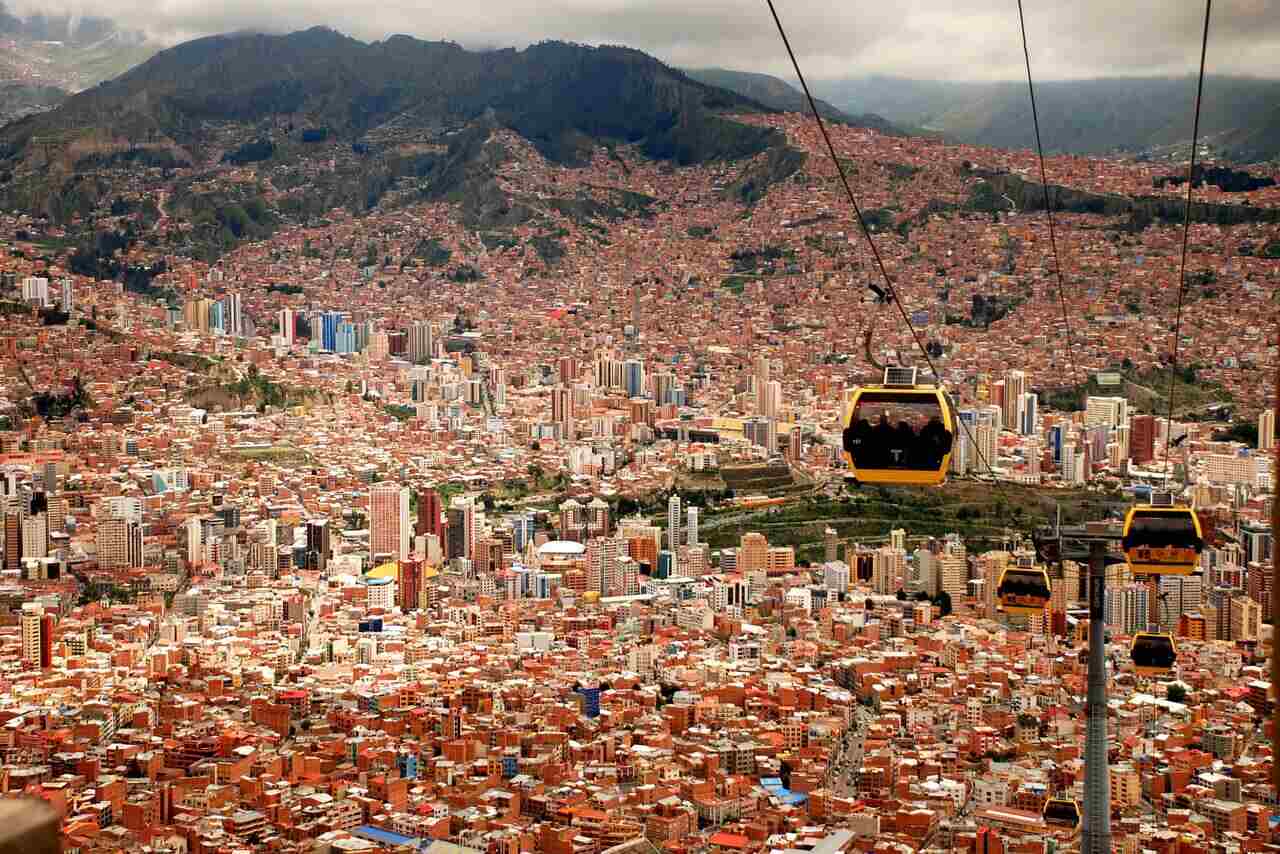
Bolivia is a country where tradition and culture are not just words, but a way of life. From the bustling streets of La Paz to the serene landscapes of rural communities, the tapestry of Bolivian culture is woven with colorful threads of history and heritage.
Festive Celebrations: The Pulse of Bolivian Society
Festivals play an important role in Bolivian society, with each celebration reflecting the country’s rich history and diverse ethnic makeup. Perhaps the most famous of these is the Carnival of Oruro, a UNESCO World Heritage event that blends Catholic and indigenous beliefs in a spectacular display of music, dance, and vibrant costumes.
Family Traditions: The Core of Bolivian Life
In Bolivia, family is the cornerstone of social life. Bolivian families, deeply rooted in traditional values, often gather for meals, religious events, and important life milestones. These gatherings are not just about celebrating; they are about passing down customs and reinforcing the bond that ties Bolivian society together.
The Influence of Ancient Indigenous Groups
Bolivia’s customs and traditions are heavily influenced by the country’s ancient indigenous groups. From traditional Andean culture to rituals dating back to pre-Columbian times, these practices form the backbone of Bolivian identity.
The Impact of Spanish Colonization
The fusion of indigenous traditions with those brought by the Catholic Spaniards during colonial times has created a unique cultural landscape. This blend is most evident in the religious festivals and food customs of Bolivia, where indigenous ingredients meet Spanish flavors.
A Look at Specific Bolivian Traditions
To truly understand Bolivian culture, one must delve into specific traditions that define the everyday life and festive spirit of this nation.
Music and Dance: A Language of its Own
In Bolivia, music and dance are not mere forms of entertainment; they are profound expressions of cultural identity and history. The lively steps of the Caporales dance, with its vibrant costumes and energetic movements, celebrate freedom and joy. Equally captivating are the haunting melodies of the Andean pan flute, echoing the mystique of the highlands. These rhythmic expressions, whether in the form of folkloric ballet or impromptu street performances, serve as a testament to Bolivia’s diverse cultural heritage, weaving together indigenous, African, and Spanish influences.
Traditional Clothing: A Symbol of Identity
Traditional Bolivian clothing is a vivid tapestry of the nation’s history and diversity. The brightly colored polleras (skirts) worn by Cholitas are not just fashion statements; they are symbols of cultural pride and resilience. Each piece, from the intricately woven shawls to the boldly adorned hats, tells a story of regional identity, craftsmanship, and tradition. These garments, often handmade using age-old techniques, reflect the deep connection of the Bolivian people to their heritage, showcasing the blend of indigenous and colonial influences that shape Bolivia’s unique cultural landscape.
Through these dynamic expressions of music, dance, and traditional attire, Bolivia’s rich traditions paint a picture of a nation deeply connected to its past yet vibrant and evolving. They illustrate how traditions are not static relics but living, breathing parts of Bolivian life, constantly reshaped by the hands and hearts of the people who cherish them.
Food: The Flavor of Bolivia
Food in Bolivia is much more than sustenance; it’s a celebration of culture and community. The Bolivian kitchen is a place where history simmers on the stove, and every dish tells a story.
In Bolivian culture, certain dishes are synonymous with celebrations and special occasions. For instance, during the Carnaval season, a variety of unique foods are prepared, each signifying different aspects of Bolivian traditions and beliefs. These celebratory foods are not just about taste; they are about creating a sense of community and shared experience. Let’s take a closer look at how Bolivian cuisine reflects the nation’s rich cultural tapestry.
Traditional Dishes: A Taste of Heritage
Salteñas: These savory pastries are a staple in Bolivian cuisine. Filled with meat, vegetables, and a slightly sweet, spicy sauce, Salteñas are more than just a meal; they are a symbol of family and festivity. Often enjoyed as a mid-morning snack, they bring together flavors that span continents – from the indigenous spices to the European-influenced pastry.
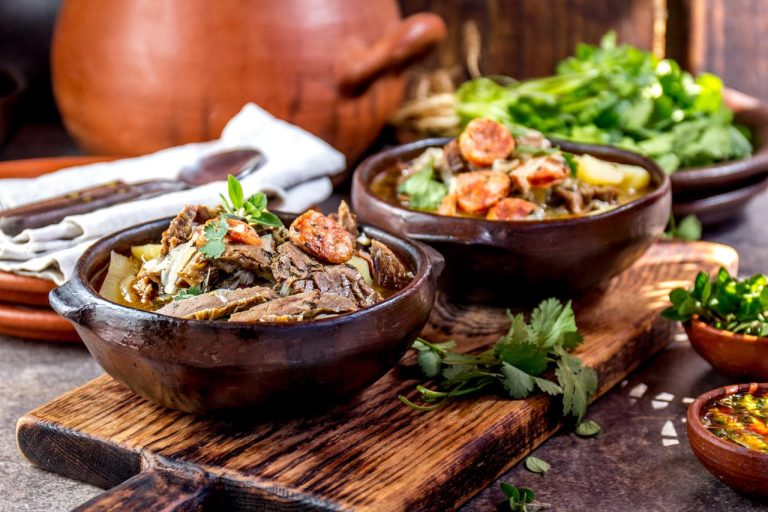
Chairo Soup: Originating from the Andean region, Chairo is a nourishing soup that embodies the essence of the highlands. Made with lamb or beef, potatoes, and native crops like chuño (freeze-dried potato), this dish is a testament to the resourcefulness and culinary traditions of Bolivia’s indigenous communities.
Fusion of Flavors: The Story of Bolivia’s Culinary Diversity
The diversity of Bolivian cuisine mirrors the country’s varied geography and cultural history. From the spicy dishes of the lowlands to the hearty meals of the highlands, Bolivian food is a fusion of indigenous, Spanish, and even African flavors. This blend of culinary traditions is not just delicious; it’s a narrative of Bolivia’s complex and multifaceted heritage.
Street Food: A Window into Bolivian Life
Street food is an integral part of Bolivian life, offering a glimpse into the day-to-day culinary practices of the Bolivian people. From Anticuchos (grilled beef heart) to Tucumanas (fried pastries similar to empanadas), street food vendors provide a taste of authentic Bolivian cuisine, often with recipes that have been passed down through generations.
The Influence of Geography on Bolivian Traditions
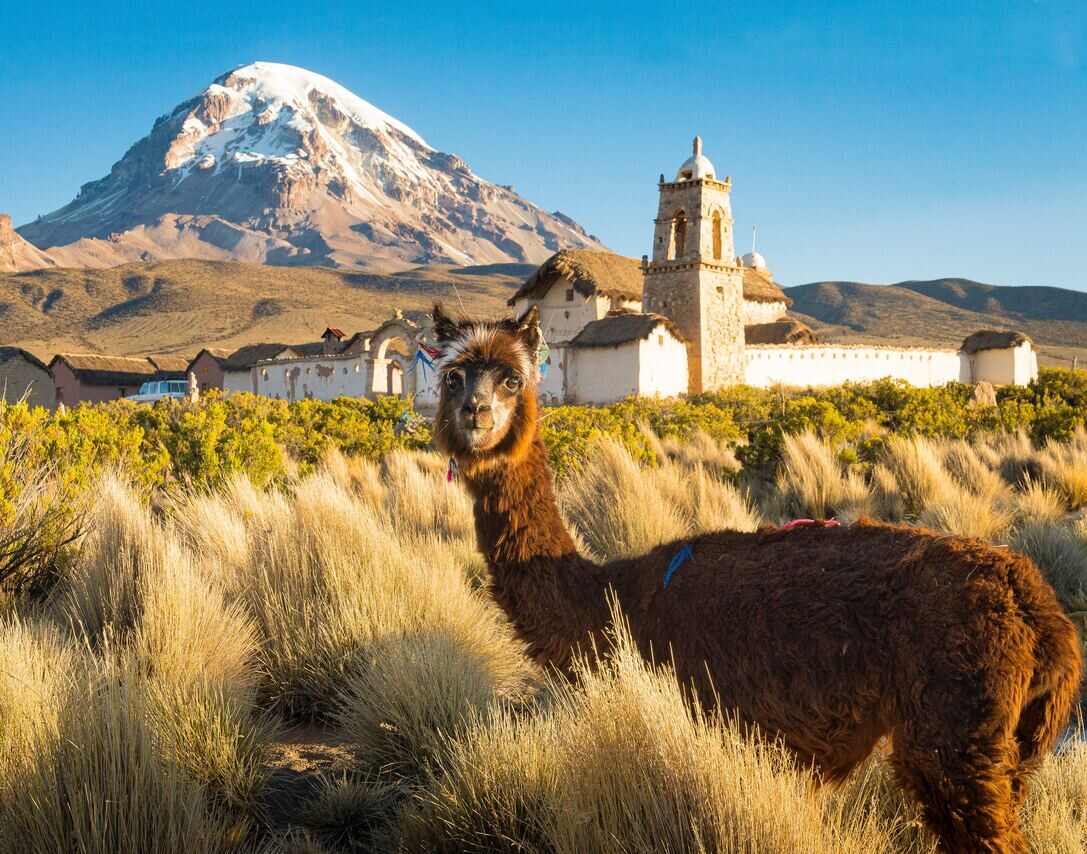
Bolivia’s diverse landscape, from the high Andean mountains to the lush Amazon basin, plays a significant role in shaping its customs and traditions. This geographical diversity is reflected in everything from food to festivals.
High Andes Traditions: A Blend of Earth and Sky
In the highlands, traditions are often intertwined with respect for Pachamama (Mother Earth) and the Andean gods. Rituals and offerings, especially during important agricultural dates, are common. This deep connection to the land is also reflected in the music and dance of the region, where every beat and step resonates with the heartbeat of the Andes.
Amazonian Customs: The Rhythm of the Rainforest
The Amazon basin, with its rich biodiversity, influences the customs of the communities living there. These include unique rituals, dances, and a culinary tradition that utilizes the abundant natural resources of the rainforest. This area’s traditions are a testament to the harmonious relationship between the people and their natural environment.
Urban Traditions in Major Cities like La Paz and Santa Cruz
In major cities such as La Paz and Santa Cruz, traditions reflect a blend of modernity and heritage. These urban centers, while embracing progress and innovation, still hold on to customs like annual street festivals and local saints’ day celebrations. These events are a vibrant mix of traditional and contemporary, showcasing the dynamic nature of Bolivian culture.
DID YOU KNOW…?
In Bolivia, the “Tinku” festival is a unique tradition where participants engage in ceremonial fights to honor Pachamama (Mother Earth). Held annually in May, this ancient practice from Potosí is believed to ensure a bountiful harvest, blending ritualistic combat with vibrant cultural celebration.
 DID YOU KNOW…?
The Role of Language and Religion in Bolivian Traditions
Language and religion play a pivotal role in shaping the traditions and customs of Bolivia. They are not just aspects of communication and belief but are woven into the very fabric of Bolivian society.
Language: More than Words
With Spanish as the official language and over 30 indigenous languages spoken, Bolivia’s linguistic diversity is a key aspect of its cultural identity. Language is a vessel for tradition, whether it’s through the telling of ancient myths or the singing of folk songs. Understanding the nuances of these languages can provide deeper insights into Bolivian customs.
Religion: A Mosaic of Beliefs
Religion in Bolivia is a mosaic of Catholicism and indigenous beliefs. This blend is most visible during religious festivals where Catholic saints are venerated through rituals rooted in indigenous traditions. The fusion of these belief systems is a testament to Bolivia’s ability to integrate different aspects of its history into a cohesive cultural tapestry.
Modern Influences on Bolivian Traditions
While deeply rooted in history, Bolivian traditions are not static. They are continually evolving, influenced by modern trends and global interactions.
Technology and Globalization
The impact of technology and globalization is visible in contemporary Bolivian society. Traditional arts and crafts are now shared worldwide, and festivals are broadcasted on television sets across the nation. These modern influences bring Bolivian culture to a global audience, showcasing its richness and diversity.
The Youth and Future of Bolivian Traditions
The youth of Bolivia play a crucial role in the preservation and evolution of traditions. By blending respect for heritage with contemporary perspectives, they ensure that Bolivian customs continue to thrive and adapt in an increasingly interconnected world.
Wrapping Up
Bolivia’s traditions are a vivid mosaic of history, culture, and innovation. From the Andean highlands to the streets of La Paz, these customs and practices are the lifeblood of Bolivian society, reflecting a nation proud of its past and optimistic about its future. As you explore this fascinating country, either in person or through learning the language, remember that understanding its traditions is key to understanding its soul. At SpanishVIP, we invite you to connect with Bolivia’s rich cultural tapestry. Whether you’re starting with a free 1:1 class or enjoying a week of complimentary group classes, our Dedicated Teachers and Student Success Advisors are here to help you embark on this captivating journey.